
Last updated November 22, 2026
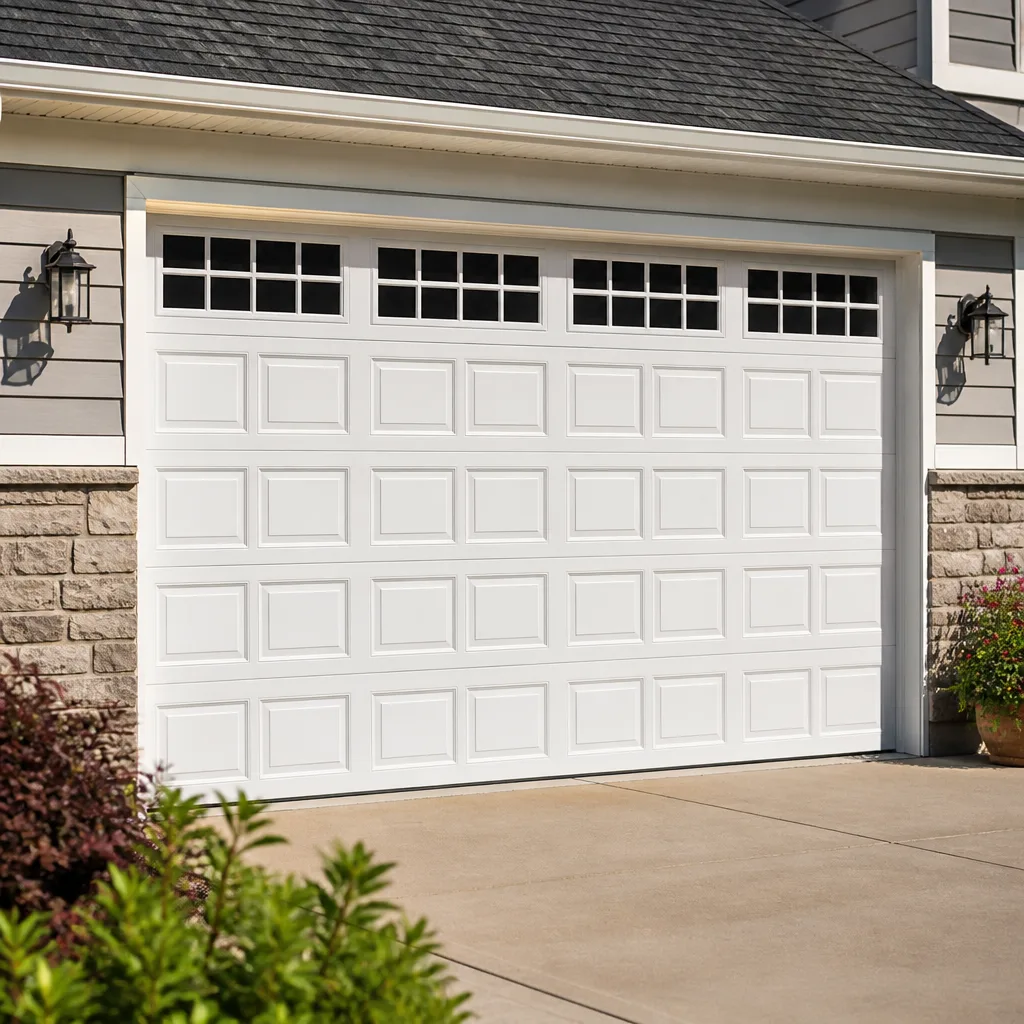 Raised-panel steel
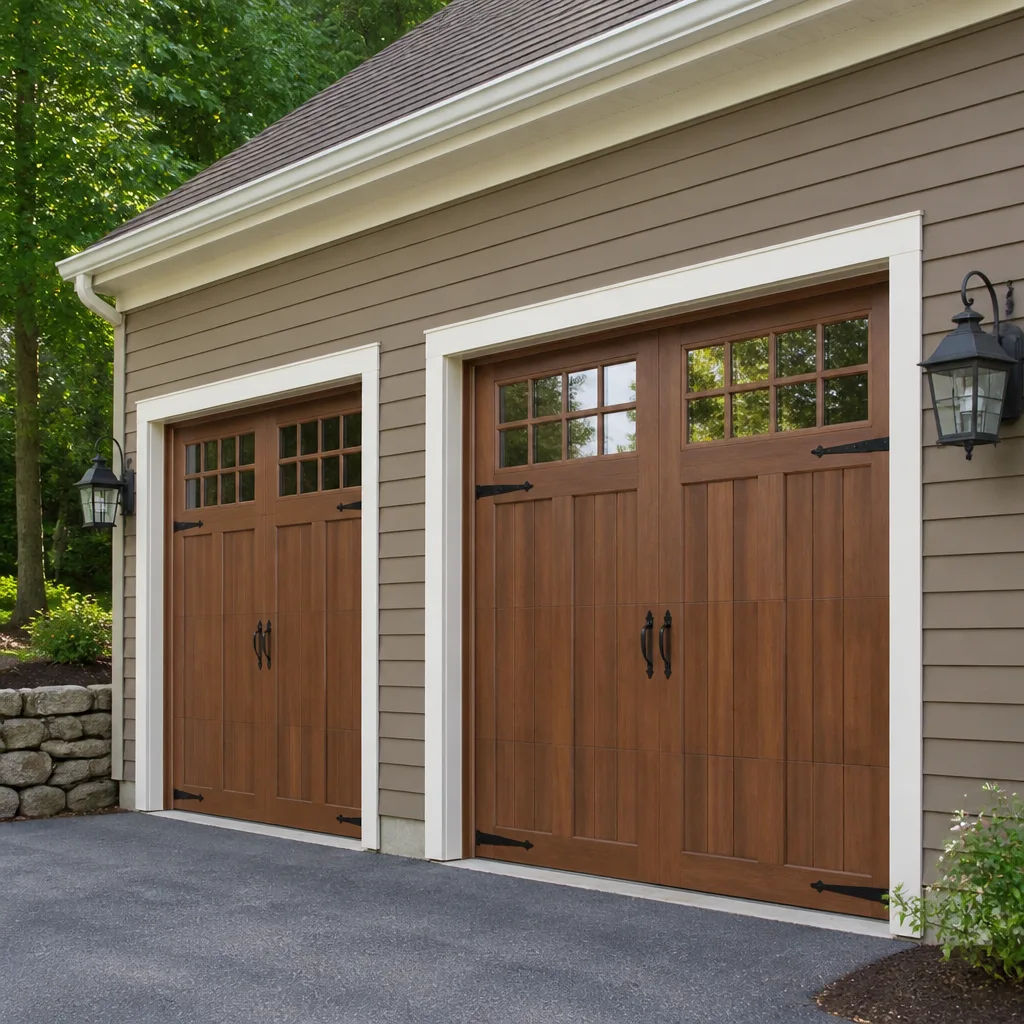 Carriage house
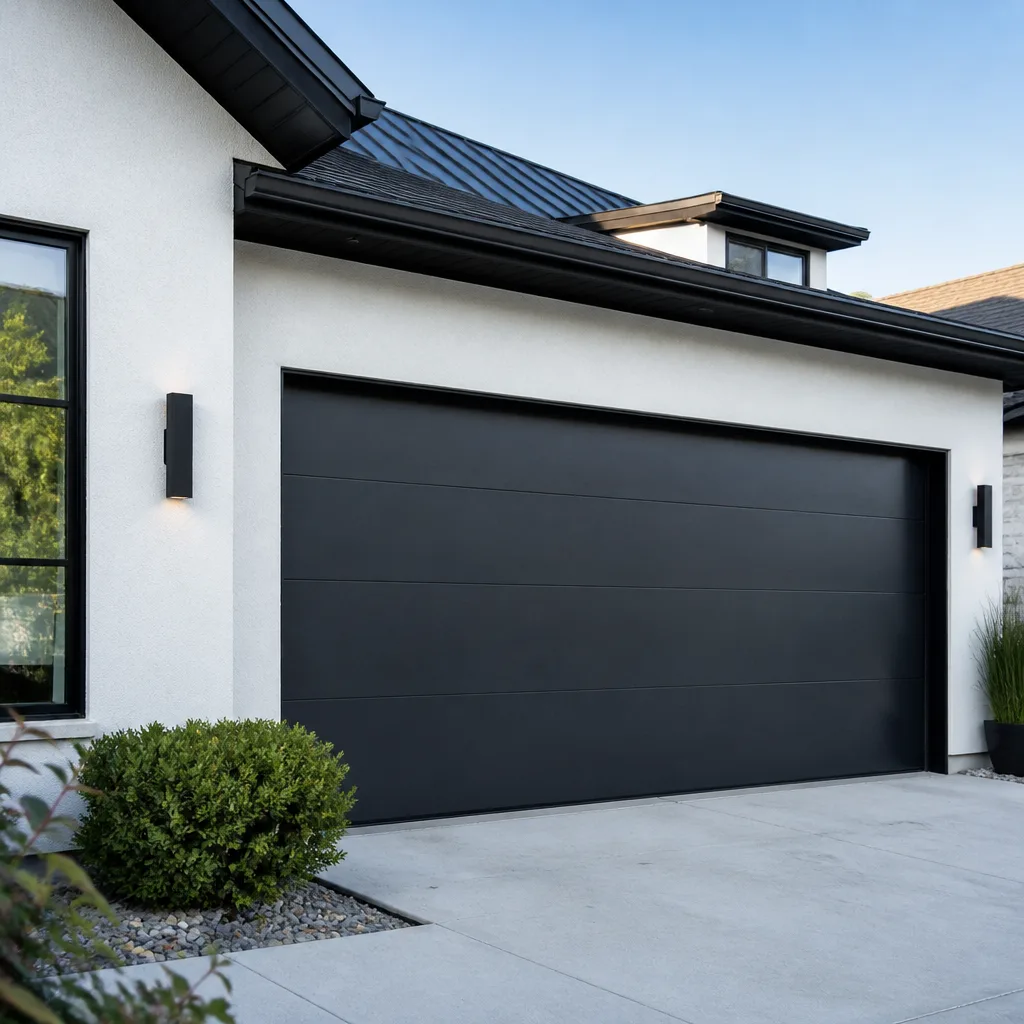 Modern flush
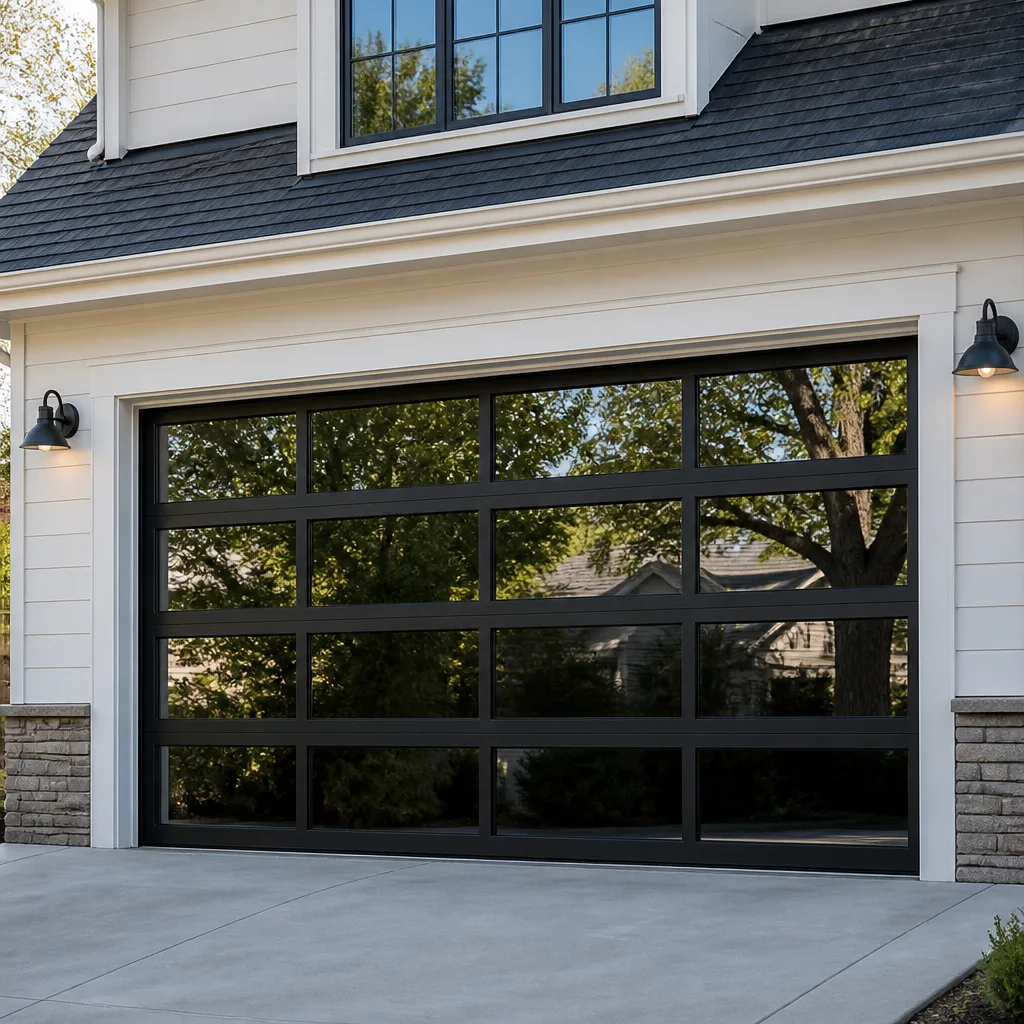 Full-view glass
 LiftMaster openers
 Chamberlain openers
Full 25-point door and opener safety check with every visit - springs, cables, rollers, tracks, and your LiftMaster or Chamberlain opener included
You get a price before we start. It does not change when the pro arrives.
Get your free estimateDIY vs Professional Garage Door: The Arlington Homeowner’s Decision Guide
Most homeowners frame the garage door repair decision as cost versus skill. We think that’s the wrong axis. The better question is what happens if the job goes wrong. A torsion spring under full tension holds enough stored energy to break a wrist or take an eye, and that single fact reshapes the entire DIY-versus-professional calculation. Some garage door tasks are genuinely homeowner-appropriate. Others aren’t, no matter how many videos you’ve watched. This guide draws that line for Arlington homeowners, task by task, with the local rules and housing realities that affect what you can legally and safely do yourself.
Quick Answer
For Arlington homeowners, the safe DIY zone is limited to weatherstripping, lubrication, sensor alignment, remote reprogramming, and visual inspections. Anything involving torsion or extension springs, cables, the opener’s internal gearing, or the door’s balance and track geometry should go to a trained technician. Spring and cable work carries serious injury risk, and the money you save on a DIY spring swap is small next to the downside of getting it wrong.
Styles & brands we work with
- Raised-panel steel
- Carriage house
- Modern flush
- Full-view glass
- LiftMaster openers
- Chamberlain openers
Table of Contents
- Why Risk Segmentation Beats Cost Versus Skill
- What You Can Safely Do Yourself
- The Physics That Make Spring Work Different
- Cost-Benefit: Which DIY Tasks Actually Save Money
- Arlington HOA, Permits, and What You May Self-Perform
- How to Prep for a Technician Visit
- Common Mistakes to Avoid
- When to Call a Professional
Why Risk Segmentation Beats Cost Versus Skill
The usual comparison tables rank garage door tasks on difficulty. That framing quietly assumes a failed attempt just costs more money. In our experience the failure modes are uneven: some tasks fail safe, others fail hard. A misaligned safety sensor fails safe. A spring released under load does not.
So we sort every garage door task into three zones.
- Zone one – genuinely homeowner-appropriate. Low energy, small consequences, easy to inspect the result. Weatherstripping, lubrication, sensor alignment, remote and keypad programming, and a monthly visual check fit here.
- Zone two – technician-only, mechanical. Track realignment, roller and hinge replacement, balance adjustment, opener board and gear work, cable replacement. These involve tensioned parts or electrical components where a small mistake turns into a door that binds, drops, or won’t close safely.
- Zone three – technician-only, and treated as hazardous. Torsion spring replacement, extension spring replacement, and any work with the lift cables. Zone three is where stored mechanical energy is at its highest and where the injury record in this trade concentrates.
The point of segmentation is honesty. It tells you which jobs you can knock out on a Sunday afternoon with confidence and which jobs should never be a learning experience. A garage door is your home’s largest moving part and its most-used entry point. The hardware runs hundreds of cycles a year, and in Arlington’s busy commuter households the cycle count climbs faster than the homeowner expects.
When it’s time to bring in a specialist, we handle Garage Door Repair Arlington Pros as a single point of contact for the full range, from a stuck door to a full replacement. No second company, no runaround.
What You Can Safely Do Yourself
Five tasks are well within reach for a capable homeowner with a ladder, a socket set, and patience. They also happen to be the tasks that deliver the most prevention per dollar, because they stop small problems before they become Zone two or Zone three jobs.
- Weatherstripping replacement. The rubber or vinyl seal along the bottom and sides of the door. If you can see daylight under the closed door or daylight through the jambs, the seal is worn. Clean the channel, cut the new seal to length, and press or slide it in. A tight seal keeps out rain, drafts, and insects, and it also reduces the airborne grit that wears down rollers.
- Lubrication. A light silicone or white lithium spray on rollers, hinges, and the torsion bar bearings (not the tracks) once or twice a year. Skip the axle grease habits you may have inherited from older DIY guides. Manufacturers spec specific lubricants for a reason, and the brand’s manual on your opener is the right reference.
- Safety sensor alignment. If the door reverses halfway or refuses to close, check that the two sensor eyes on either side of the opening are facing each other and unobstructed. Wipe them clean and confirm the indicator lights are steady. A sensor knocked askew by a bicycle or garden tool causes most of the “door won’t close” calls we get from Arlington homeowners.
- Remote and keypad programming. Every major opener brand – LiftMaster, Chamberlain, and Craftsman among them – has a programming sequence. Clear the memory and pair fresh remotes, and update the keypad PIN. If you’ve inherited a home in Arlington and don’t know the previous owner’s codes, start here.
- Visual and balance inspection. Once a month, stand inside the garage and watch the door open and close. The door should move evenly, without wobble or screech, and rest about four feet off the floor with the opener disconnected. Glazed-over rollers, dangling hinge bolts, and frayed lift cables are all visible from a few steps back.
Every job on this list fails safe. If a weather seal leaks a little, you’ve got a draft. If lubrication is inadequate, you’ve got a slow-wearing door. That’s the marker of homeowner-appropriate work.
The Physics That Make Spring Work Different
A torsion spring under load holds thousands of pounds of potential force. When the door closes, that energy compresses. When the door opens, the spring releases it to counterbalance the weight. The spring is doing the heavy lifting, which is why you can lift a 200-pound sectional door with one hand.
That same energy is why spring replacement is the single most dangerous job in this trade, and why we treat it that way. Extension springs store energy linearly, on a stretch; torsion springs store it as torque on the bar across the top of the door. Both can release instantly if a winding bar slips, if the wrong rod is used as a substitute, or if the cables aren’t wound in the correct sequence. The failure modes include cable whip and the spring hardware itself, which is why hardware specialists design specialized safety cables to contain a break.
There’s no way for a homeowner without tools and a second set of eyes to safely wind a torsion spring to spec on a stock 25-inch bar. We’re not going to describe the procedure here, because this is a case where a video can create misplaced confidence. What we will tell you is what a technician is actually doing: measuring the door’s weight, matching the spring’s wire gauge and inside diameter to that weight and the drum size, counting quarter turns to spec, and verifying the balance before the opener goes back into service. Brand familiarity matters here. We work on Craftsman, Raynor, LiftMaster, and Chamberlain systems every day, and we know exactly what to look for on each. If you want the deeper technical breakdown, our page on garage door spring repair walks through the diagnosis and expected timelines.
Here’s the ROI math no one seems to want to say plainly: the dollar savings on a DIY torsion spring replacement are small. The downside includes injury, a warped door, a broken opener, or a door hanging off its tracks. This isn’t a liability disclaimer. It’s a cost-benefit observation that we think holds up in every scenario.
Cost-Benefit: Which DIY Tasks Actually Save Money
Not all DIY garage door work is created equal. Below is how we’d think through each task. Ranges are typical estimates for the Arlington market, and every job is set by the written quote.
- Weatherstripping. The materials are inexpensive and the task is low-tension. A homeowner replacement typically costs less than a quarter of what a service call would, and it produces measurable energy savings because a tight seal keeps out winter drafts. Genuinely worth doing yourself.
- Lubrication and sensor alignment. Essentially free, and the highest-return prevention tasks on the list. Both reduce the frequency of real repair calls.
- Remote or keypad programming. Takes five minutes, not five hundred dollars. DIY here is not optional, it’s obvious.
- Roller and hinge replacement. The materials are inexpensive, but the task is Zone two because the lift cables are routed adjacent to the hinges. A homeowner with a good ladder and a willingness to work slowly can do some of this. It’s the point where “I’ll try it myself” starts to cost more than it saves if you’re not confident.
- Spring replacement. A torsion spring replacement in Arlington typically runs in the mid-hundreds per spring. A matched pair is replaced together and runs about twice the single-spring figure. The savings on a DIY spring swap are dwarfed by the injury risk and the risk of a miswound spring damaging the door. Our judgment: don’t.
- Opener replacement. The opener itself is a mid-hundreds part, but installation requires matching the rail to the door’s travel, leveling the unit, wiring the safety reverse, and pairing the remotes. Electrical panel and wiring work sits on our safety list, so this is a technician job. Our garage door opener repair team handles the diagnostic and install together.
The pattern: DIY saves meaningful money on the low-tension, low-consequence tasks, and it saves negligible money on the high-tension, high-consequence ones. That’s the ROI math that actually matters, and it’s why the DIY-versus-professional question isn’t one decision at all. It’s six separate decisions, and they don’t all point the same way.
Arlington HOA, Permits, and What You May Self-Perform
Arlington homeowners face two layers of rules that many general guides ignore: HOA covenants and city permitting. Both can restrict what you’re allowed to DIY, and both affect whether a replacement even needs paperwork.
On the HOA side, most Arlington associations control exterior color, panel style, hardware finish, and sometimes the opener’s brand or noise profile. Before buying a new door or repainting an existing one, read the association’s architectural standards. Submitting a color change without approval is the most common way a replacement project gets stalled after the door has already been ordered. If your association has specific color or style restrictions, that’s also the point where the contractor’s brand catalog matters. We install Clopay, Amarr, Wayne Dalton, and Raynor doors, and they span entry-level through premium lines, so a compliant style is usually available without special ordering.
On permitting, the answer is genuinely uncertain. Some jurisdictions require a permit for structural changes, opener replacements, or any door where the header or track is modified. Others don’t. We can’t give you a definitive legal answer for your specific address, and we’re not going to guess. Call Arlington County’s building department and ask; they can tell you exactly what applies to your scope of work, and it’s a two-minute conversation that prevents a real headache later.
What we can say is that structural changes, cutting new openings, and rewiring electrical for the opener are the categories most likely to require a permit. Swapping the rubber seal or reprogramming a remote is not. When self-performed work is later discovered to be out of code, the homeowner carries the correction cost, so the permit conversation is worth having early.
How to Prep for a Technician Visit
A well-prepped visit finishes faster and produces a more accurate repair. If you’ve decided to bring in a specialist – whether for spring repair, opener diagnostics, or a full replacement – doing these four things before we arrive cuts billable diagnostic time and gets you a precise quote faster.
- Clear the garage floor and the door’s path. Move bikes, tools, and storage away from the door tracks and the horizontal rails. A technician who can see the entire system can diagnose in a single pass.
- Write down the symptoms in plain language. What the door does, when it started, whether the problem is intermittent, and whether it happens on open, close, or both. “The door hangs about a foot up and reverses” is a different diagnosis than “the door won’t move at all.”
- Note the opener model and door brand. These are usually on a label under the opener’s light cover or on a sticker inside the door panel. A LiftMaster, Chamberlain, Genie, or Craftsman tag tells us the opener’s vintage and behavior pattern before we get on the ladder.
- Take a picture of the spring and cables. A phone shot of the torsion bar and the lift cables is worth a lot. It doesn’t replace an on-site inspection, but it helps us bring the right parts the first time.
If you’ve already tried the DIY fixes on the safe-tasks list and they didn’t help, say so. It tells us what’s already been ruled out and shifts the visit from a guess to a comparison. Our technicians have up to 12 years of experience, and that experience moves fastest when the caller has done a little prep.
Common Mistakes to Avoid
- Winding a torsion spring with the wrong tool. Two winding bars set in the proper slots are mandatory. Substituting screwdrivers or a single bar looks fine on a video and breaks wrists in practice. Two sentences for anyone thinking about it: the tool is the boundary. Don’t cross it.
- Greasing the tracks. The door needs rollers to slide along the tracks without traction. Greasing the tracks collects dirt and causes stuttering, then binding. Lubricate rollers and hinges, not the tracks.
- Replacing one spring of a matched pair. The two springs on a torsion system are matched and wear together. Replacing one leaves the pair out of balance and overloads the new spring. This is also why our pricing quotes per spring, not per pair, so the numbers you’re comparing reflect what you’re actually getting.
- Forcing the door past a bind. If the door won’t move by hand, something is binding or a cable is off the drum. Pushing through with the opener strips the opener gears and can drop the door. Stop, note the symptom, call a specialist.
- Repainting a garage door without HOA approval. Arlington associations commonly restrict exterior colors and finishes. A paint job that violates the architectural standards is a paint job you’ll be repeating.
- Skipping the permit question. For any structural change, a track modification, or opener rewiring, call the Arlington County building department and ask directly. Guessing wrong costs far more than checking.
- Assuming the opener is the problem when the springs are shot. A door that won’t lift usually has a tired spring, not a dead opener. Replacing the opener on a spring-tensioned door can wear out the new opener faster. Diagnose the whole system, not the loudest part.
See the difference
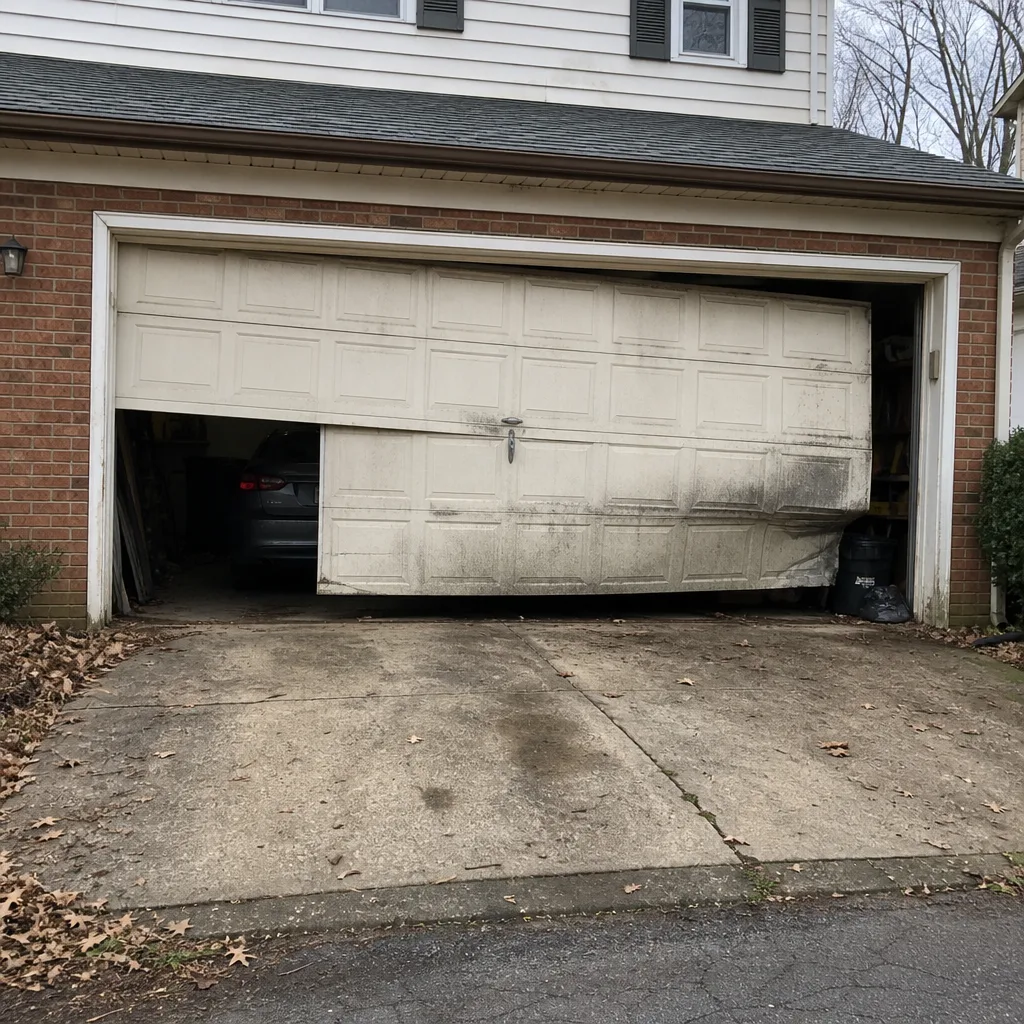 Before
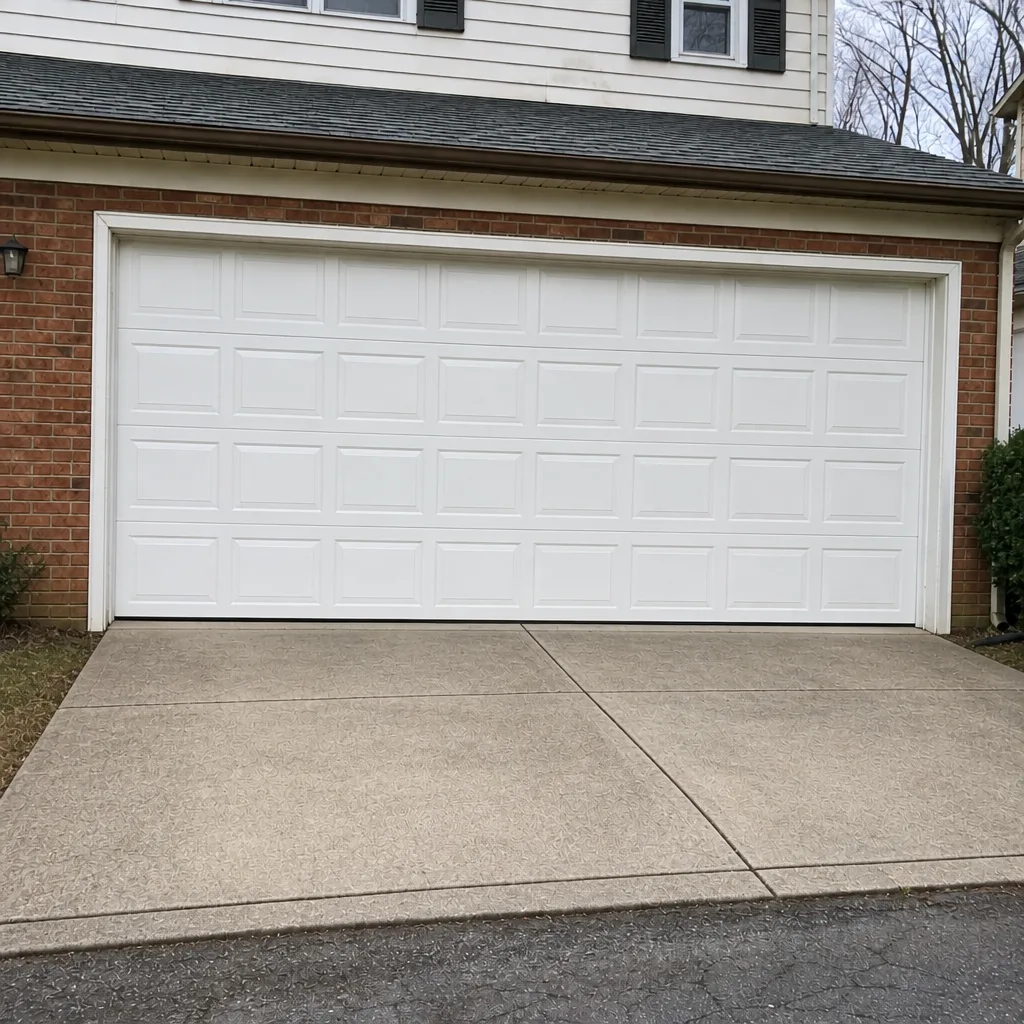 After
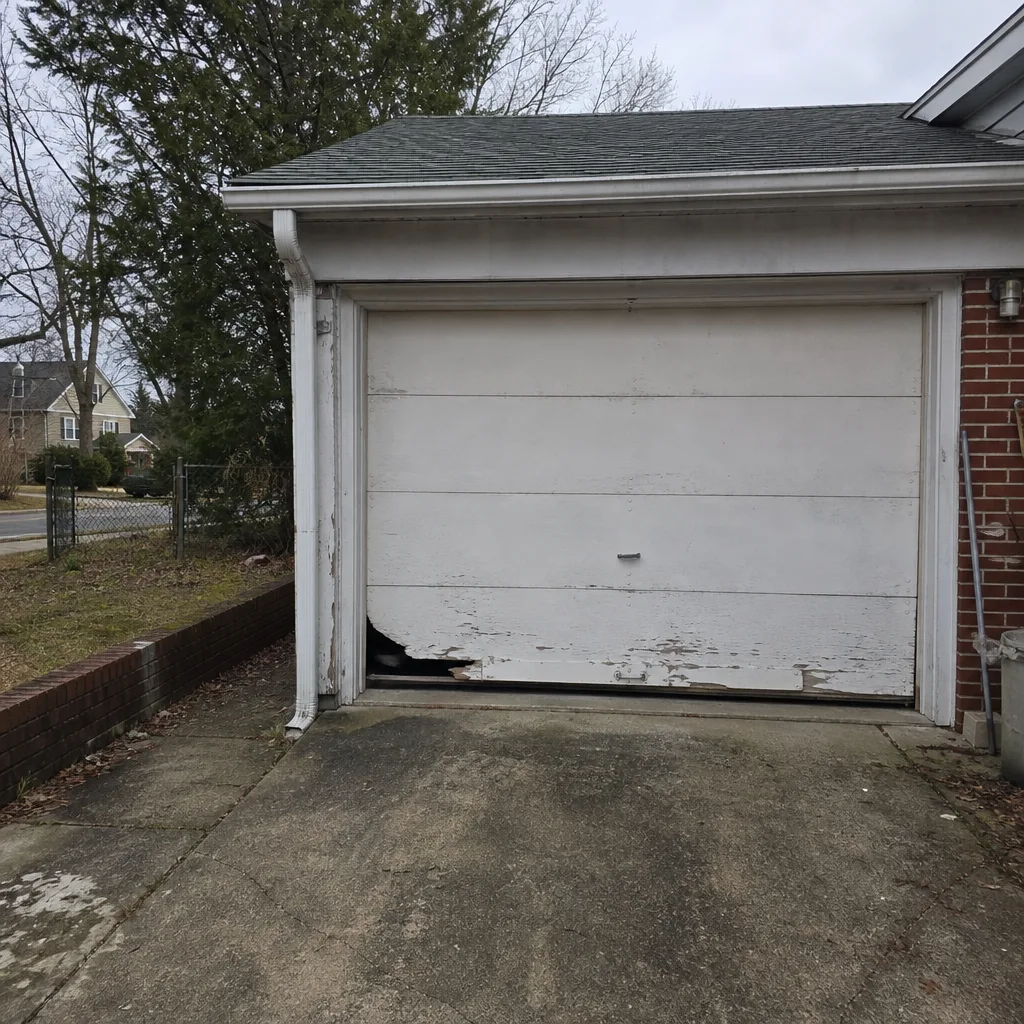 Before
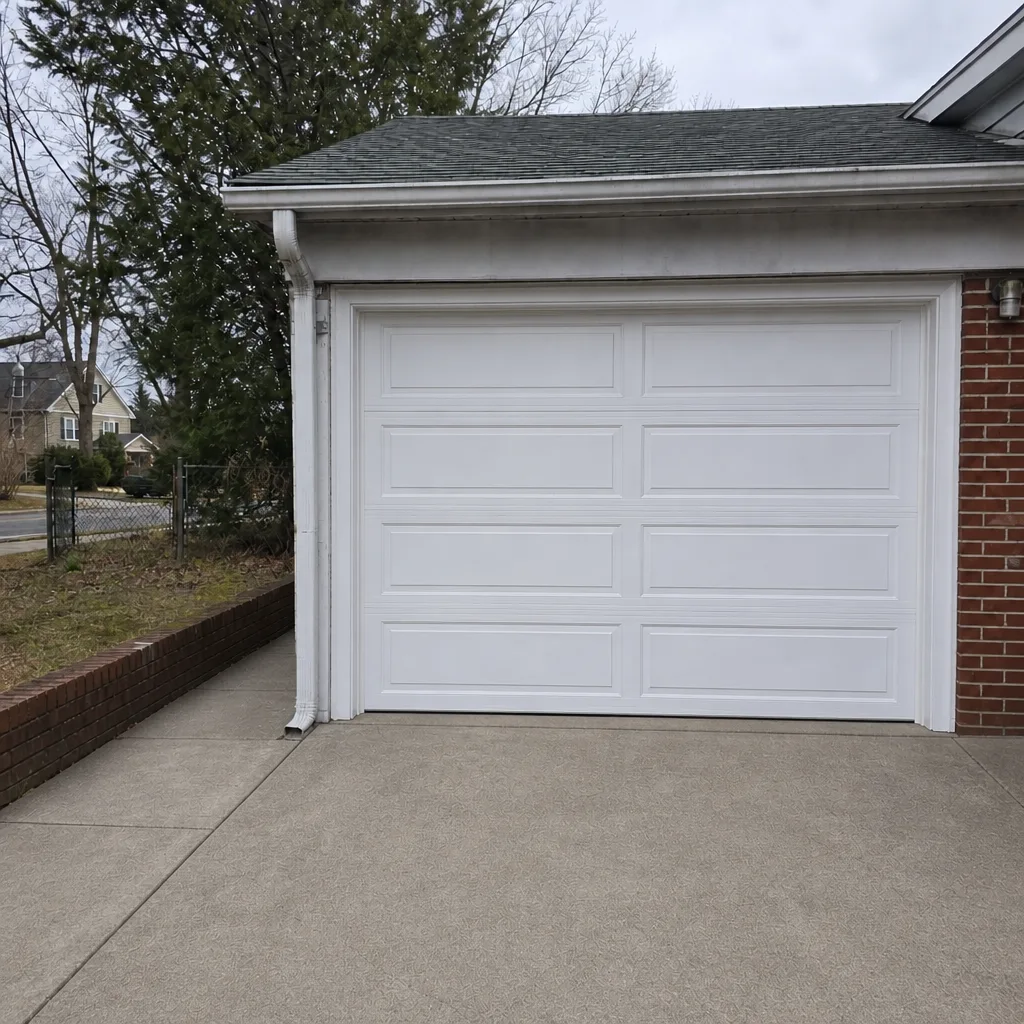 After
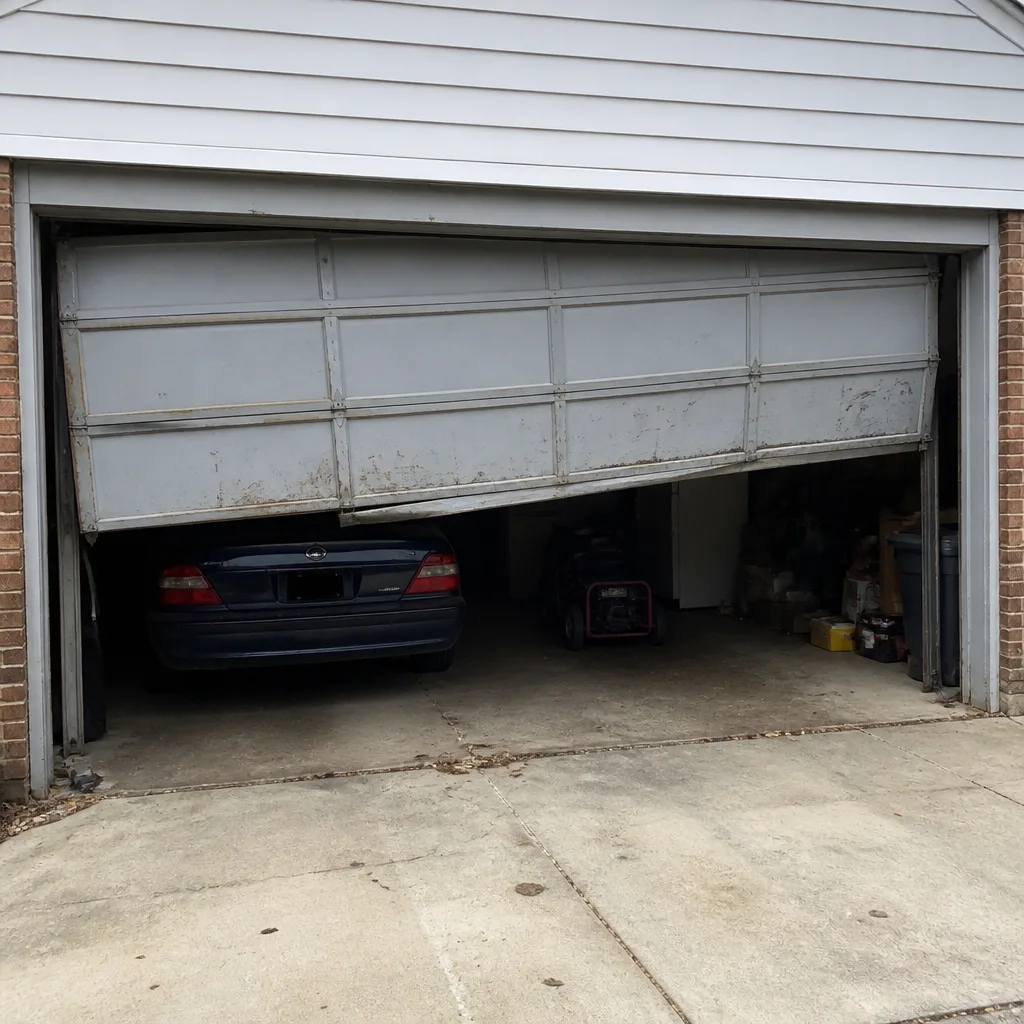 Before
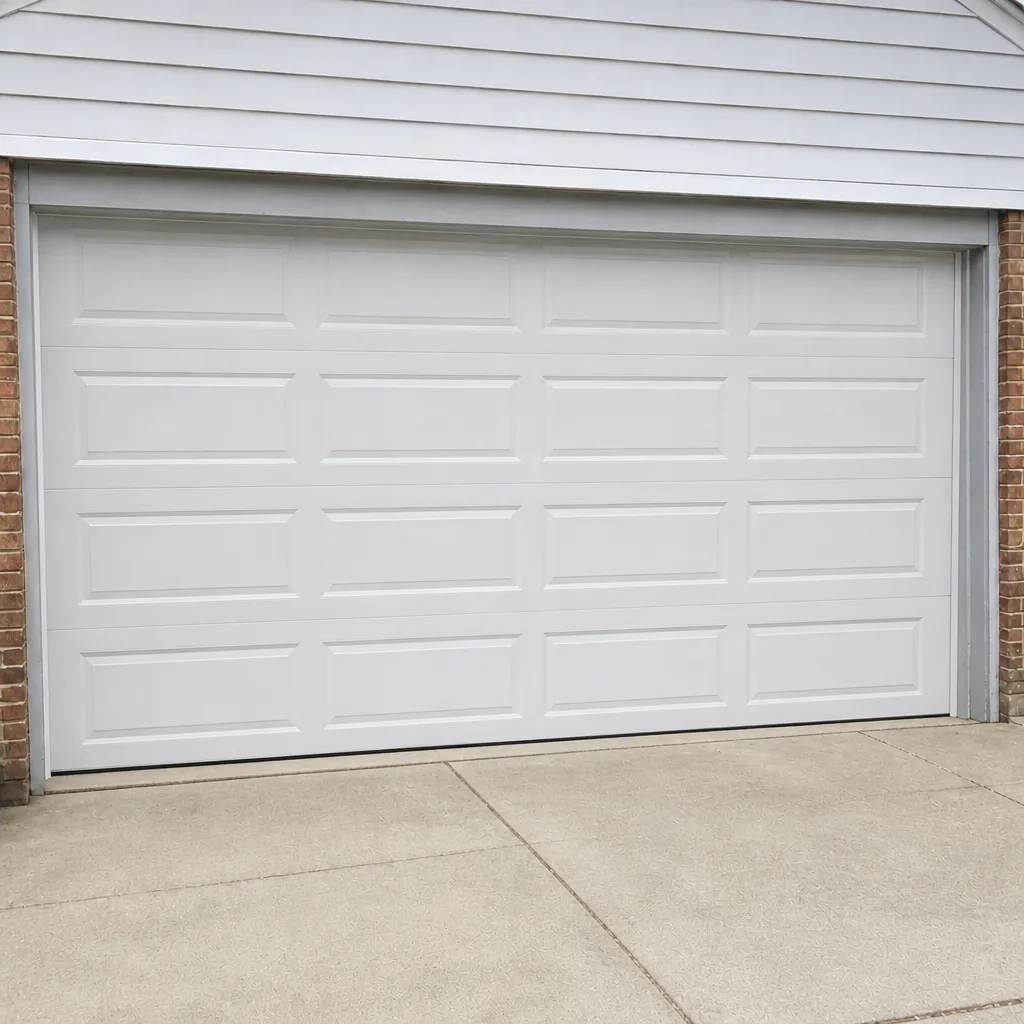 After
When to Call a Professional
If you don’t know the age of the springs, if the door moves unevenly, if it reverses on its own, if the cables look frayed, or if the door won’t stay up with the opener disconnected, this is a job for a specialist. Anything involving the torsion bar, the lift cables, or the opener’s wiring is a call-now item. Brand matters less than diagnosis; whether you’ve got a Raynor, a Clopay, or a builder-grade Craftsman opener, the symptoms look similar from the outside.
If the door is stuck open or stuck closed, our dedicated emergency garage door service exists for exactly that. For the everyday repair, opener, spring, or full install, our garage door repair services cover the full arc. Garage Door Repair Arlington Pros offers free estimates in Arlington, and the price is quoted and agreed before any work starts. Call (855) 340-9110. We answer 24/7. Fast dispatch from 7am to 7pm, Sunday through Friday.
Frequently Asked Questions
Technically some homeowners do it themselves, but we don’t recommend it. A torsion spring under tension stores serious energy, and the failure modes are severe enough that the savings don’t justify the risk. This is the single clearest line in the DIY-versus-professional debate. Call (855) 340-9110 for an exact quote on spring repair; estimates are free.
Spring repair in Arlington typically falls in the low-to-mid hundreds per spring, with a matched pair running about twice the single-spring figure. The written estimate sets the final price, and it’s quoted before any work starts. Call (855) 340-9110 for an exact quote; estimates are free.
Same-day service is a real offering here, not a scheduling hope. Emergency garage door service is a dedicated service for doors stuck open or closed, and we dispatch from 7am to 7pm, Sunday through Friday. We answer 24/7. A call outside dispatch hours books into the next opening. Call (855) 340-9110.
The written quote is the price. We don’t quote one number and bill another. If we discover something on-site that changes the scope, we tell you before doing the work, and you approve the new price. Call (855) 340-9110 for an exact estimate; it’s free.
The local pro we connect you with is licensed and insured as the state requires, and our technicians have up to 12 years of experience. We work on the eight major garage door and opener brands, so the diagnosis comes from familiarity, not guesswork. Call (855) 340-9110 to book.
It depends on your scope of work, and we can’t give a definitive answer per address. Call Arlington County’s building department and ask directly; structural changes, track modifications, and opener rewiring are the categories most likely to require one. Ask before you order the door.
The Bottom Line
The DIY-versus-professional garage door decision isn’t one question, it’s several. Weatherstripping, lubrication, sensor alignment, remote programming, and monthly visual checks are yours to handle. They save real money. Spring and cable work, opener replacement, structural adjustments, and anything with an injury downside belong with a specialist. The ROI math on the safe tasks holds up. The ROI math on the risky ones doesn’t. Arlington adds two local layers most guides skip: HOA exterior standards and city permitting, both worth checking before you buy anything or cut anything. If the door is stuck, wobbling, reversing, or past its spring cycle, call a specialist.
Garage Door Repair Arlington Pros offers free estimates across Arlington for repair, opener work, spring repair, and full installation. Call (855) 340-9110. We answer 24/7. Fast dispatch from 7am to 7pm, Sunday through Friday.
Written by the team at Garage Door Repair Arlington Pros.