
Last updated November 22, 2026
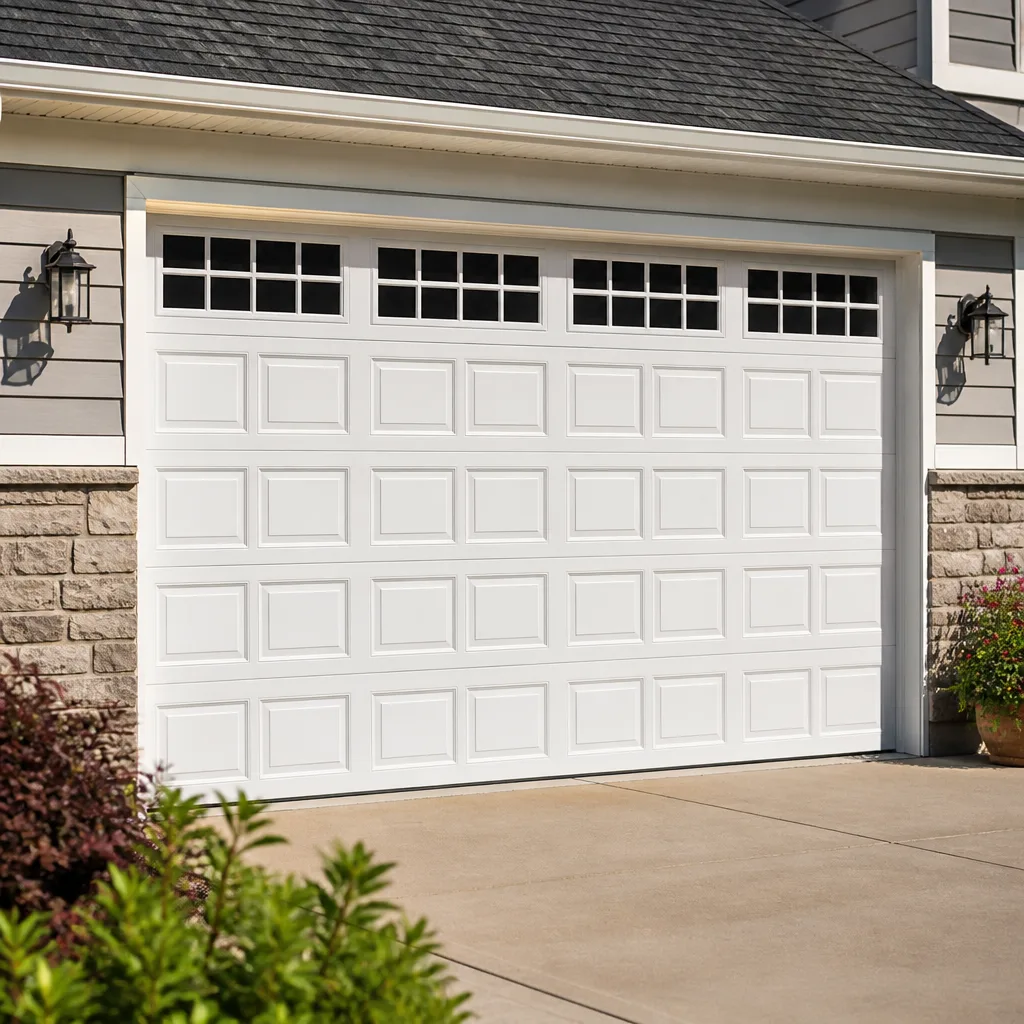 Raised-panel steel
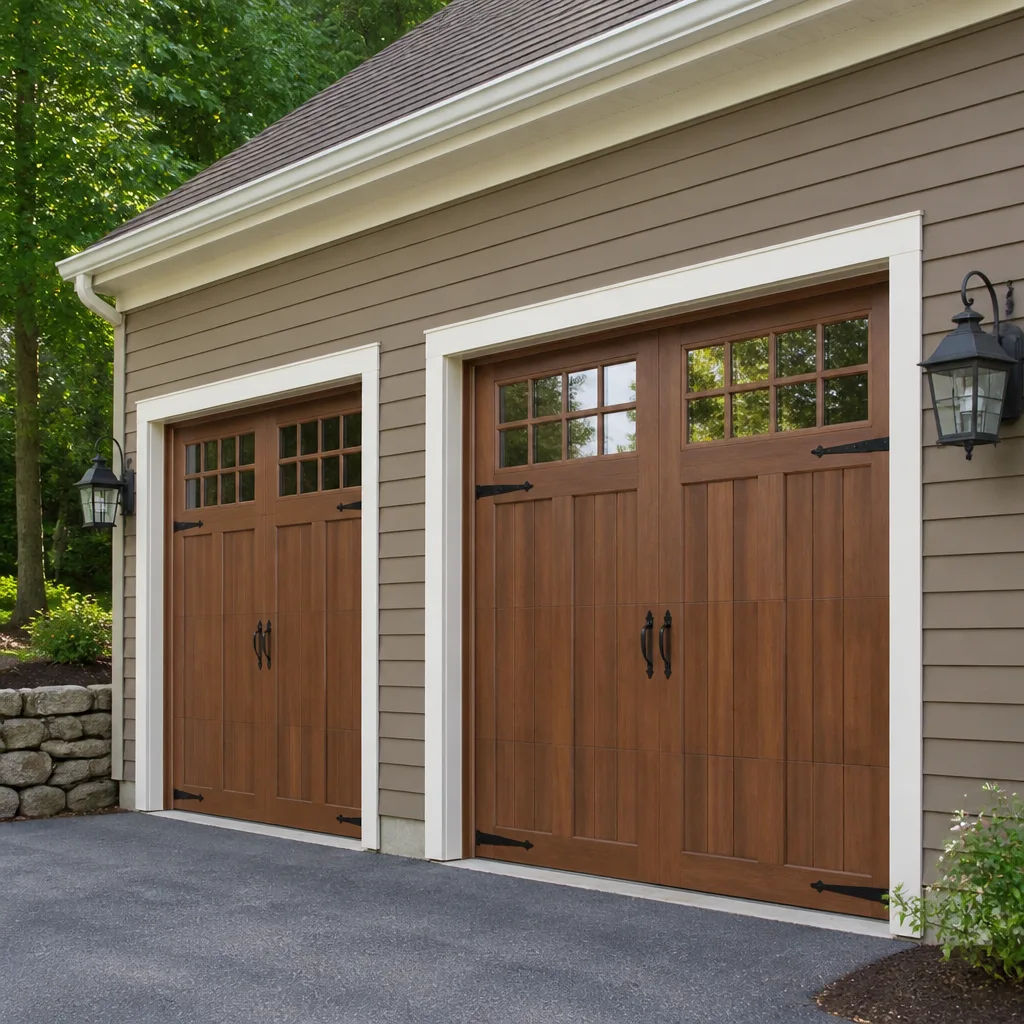 Carriage house
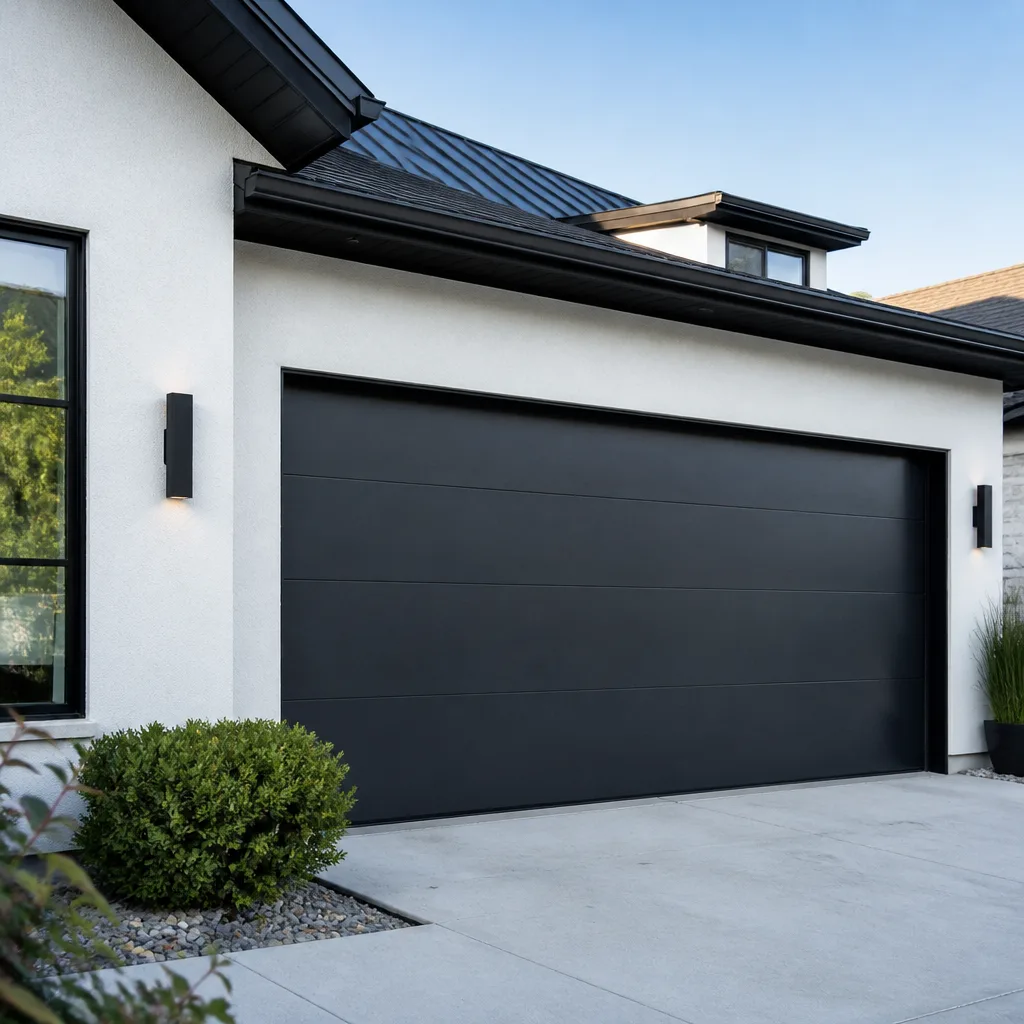 Modern flush
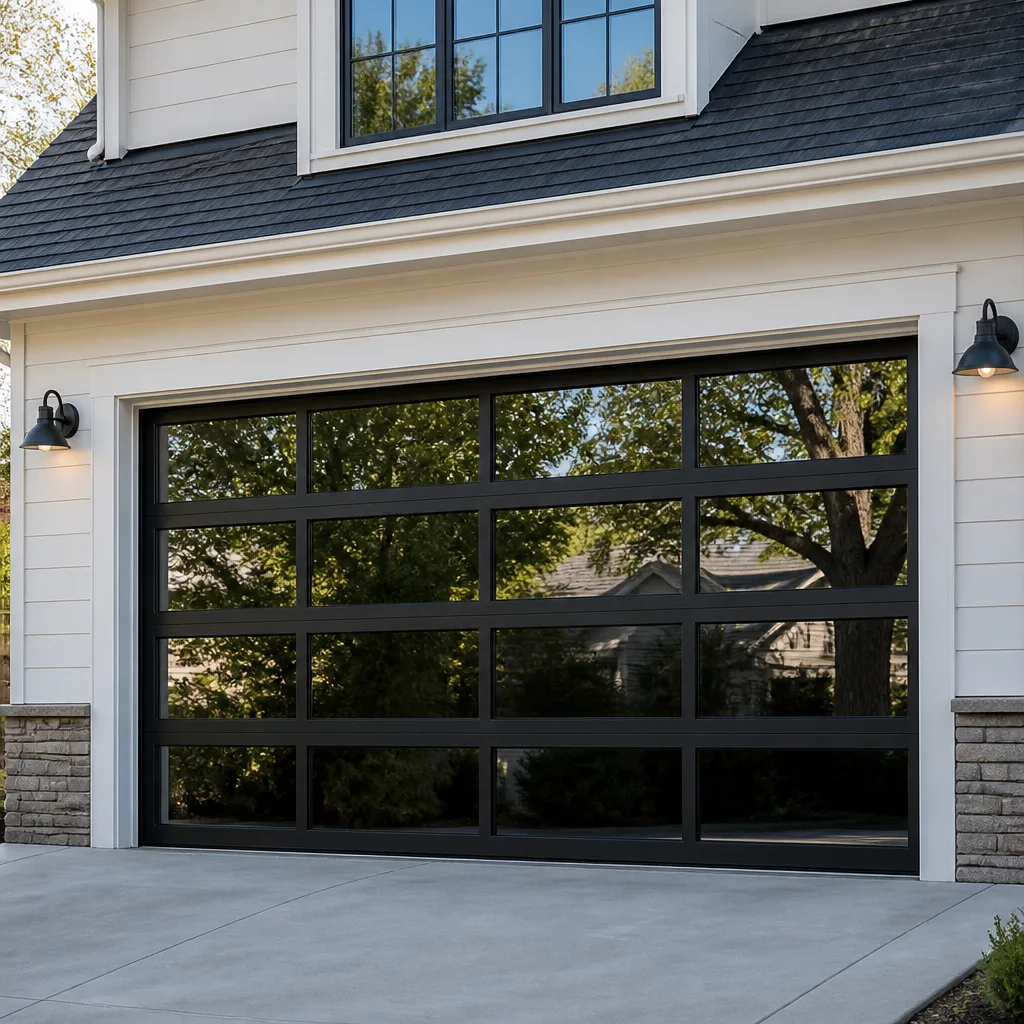 Full-view glass
 LiftMaster openers
 Chamberlain openers
Full 25-point door and opener safety check with every visit - springs, cables, rollers, tracks, and your LiftMaster or Chamberlain opener included
You get a price before we start. It does not change when the pro arrives.
Get your free estimateGarage Door Repair Maintenance Checklist for Arlington Homeowners
The number-one call we get after a preventable breakdown starts the same way: “I did everything the manual said.” The manual tells you to lubricate the springs. It does not tell you what a torsion coil sounds like at 80% fatigue, or why the bottom seal on a north-facing Arlington door is already crumbling while the one on the south side looks fine. A checklist that only lists tasks is half a checklist. This guide gives you pass/fail indicators for every task, so you know when you’re done and when to stop and call. We’ll cover what fails faster in Arlington’s humidity, which lubricant goes where, and how to test balance and reversal without ever touching spring hardware.
Quick Answer
A garage door maintenance checklist for Arlington homeowners should cover lubrication by component type, a balance test with the door disconnected from the opener, a reversal sensitivity test, inspection of rollers, hinges, cables, drums, and bottom seals, and a hard stop on any work involving torsion or extension springs. In Arlington’s humid summers and freeze-thaw winters, the tasks that matter most are seal inspection before summer heat peaks and balance and hardware checks before the first hard freeze. Any checklist item that requires touching a spring or cable is a call-a-professional item, not a DIY one.
Styles & brands we work with
- Raised-panel steel
- Carriage house
- Modern flush
- Full-view glass
- LiftMaster openers
- Chamberlain openers
Table of Contents
- Why Garage Doors Degrade Faster in Arlington Than You’d Expect
- The Monthly Five-Minute Walk-Around
- Lubrication: The Right Product on the Right Part
- How to Safely Test Balance and Reversal Sensitivity
- Seasonal Timing: What to Do Before Summer Heat and Before the First Freeze
- Component-by-Component Pass/Fail Indicators
- Opener and Safety Sensor Checks
- When to Call a Professional
- Frequently Asked Questions
Why Garage Doors Degrade Faster in Arlington Than You’d Expect
Arlington sits in a pocket of weather that’s harder on garage doors than most homeowners assume. Summers get hot and sticky. Winters swing below freezing and back again, sometimes within days. That cycle is the enemy. Metal expands and contracts. Rubber hardens and cracks. Wood swells and shrinks. Every one of those material changes puts stress on a different part of the door, and the wear shows up in predictable places.
The bottom seal is the first casualty. It sits in constant contact with concrete that holds moisture after rain and radiates heat in July. On doors facing north or shaded by trees, the seal stays damp longer and can grow mold or soften. On a door facing west, UV exposure hardens the rubber until it cracks. Either way, a degraded bottom seal lets water and pests under the door and adds drag that makes the opener work harder every time the door runs.
Nylon rollers are the second. Humidity softens nylon over time, and a softened roller develops flat spots. Those flat spots create a rumble you’ll hear before you see the wear. Steel rollers hold up longer but can rust at the stem. In an Arlington garage that’s not climate-controlled, you get the worst of both: rust on metal parts and softening on nylon ones.
Cables are the third. The cables themselves are galvanized steel and don’t rust quickly, but the point where they wind around the drum is where fraying starts. A humid garage accelerates the process. Fraying at the drum is a serious warning sign, and it’s one a homeowner can spot by eye without touching anything. We’ve seen doors in Arlington where one broken strand at the drum was the only visible clue before a cable failed entirely, and a failed cable on a door under spring tension can drop the door or whip the loose end violently.
The point isn’t to scare you into a service call every season. It’s to make the checklist specific. When you know which parts degrade first in this climate, you spend your inspection time where it actually matters. That’s what separates a useful checklist from a generic one copied from a manufacturer’s manual written for a different part of the country.
The Monthly Five-Minute Walk-Around
Before we get into the detailed checks, here’s the routine you can do every month without tools and without risk. This is the fast pass. If anything on it fails, you move to the deeper sections below.
- Run the door and listen. Stand inside the garage and listen as it opens and closes. You’re listening for grinding, scraping, popping, or a steady rumble that wasn’t there last month. A smooth door sounds like a single continuous motion. A door with a problem sounds like a series of small events.
- Watch the door travel. Look at the gap under the door as it closes. It should come down evenly on both sides. A door that touches down on one side before the other is out of balance or has a bent track.
- Look at the bottom seal. Run your hand along the underside of the closed door where the rubber meets the floor. It should be pliable and make continuous contact. If it’s stiff, cracked, or leaving gaps, note it.
- Scan the tracks. Look up each vertical and horizontal track for dents, bends, or debris. A track that looks straight from the outside can still be bent at the curve where it turns horizontal. That’s where most track problems start.
- Check the safety sensors. Both sensors at the base of the door should have a steady light. Press the wall button to close the door and wave your foot through the beam. The door should reverse immediately. If it doesn’t, stop using the opener until it’s fixed.
If all five pass, you’re done for the month. If one fails, drop into the relevant section below. The whole routine takes five minutes and it catches most of the failures that would otherwise turn into emergency calls. That’s why every garage door repair Arlington homeowners call us about starts with a question we ask first: did the door tell you anything before it stopped working?
One note on the safety sensor test: never skip it. A door that closes without reversing on an obstruction is a serious hazard, especially in a household with kids or pets. If the sensor light is blinking or off, check for dirt or a misaligned bracket first, but if it still doesn’t pass after a cleaning, treat it as a fault and get it looked at.
Lubrication: The Right Product on the Right Part
This is where most homeowners do more harm than good. The instinct is to spray the whole door with whatever lubricant is in the garage. That instinct is wrong. Putting the wrong product on the wrong component accelerates wear instead of slowing it. The wrong product attracts dirt, degrades seals, or washes out the lubricant that’s supposed to stay put.
Here’s the component-by-component breakdown. Use this as your lubrication map.
- Hinges and pivot points: A light lithium grease or a silicone-based lubricant works. One or two drops per hinge, worked in by running the door. Wipe off the excess. Hinges are metal on metal and need a product that stays where you put it.
- Rollers: One drop of light machine oil on the stem of each roller, not the wheel itself. Steel rollers can take lithium grease. Nylon rollers should get light oil only. Never spray grease directly on a nylon wheel; it can soften the material faster.
- Springs: This one requires care. Torsion and extension springs get a light coat of a purpose-made garage door spring lubricant, but only after the door is fully closed and the tension is off. If you’re not confident the door is at rest with tension released, do not touch the springs. That’s a job for a technician.
- Track: No lubricant. Ever. Tracks should be clean and dry. Oil on a track attracts grit and turns it into a grinding paste. Clean the tracks with a damp cloth and leave them alone.
- Bottom seal: Silicone spray or a rubber-safe protectant. This keeps the rubber pliable and slows cracking. Do not use petroleum-based products on rubber; they dry it out.
- Opener rail and chain: Follow the opener manufacturer’s spec. Chain-drive openers usually want a specific chain lubricant. Belt-drive openers generally don’t need lubrication on the belt. If you’re not sure of the model, our garage door opener repair page covers the major brands, and you can find the model number on the opener head.
Timing matters too. Lubricate twice a year: once as summer heat starts to peak, and once before the first hard freeze. Those are the two points where metal expands or contracts most and where a dry hinge will start to squeal. If you only do it once, do it in late fall. A well-lubricated door handles the freeze-thaw cycle much better than a dry one.
How to Safely Test Balance and Reversal Sensitivity
Both tests tell you whether the door is working against itself or whether the safety systems are functioning. Neither requires touching spring hardware. That distinction matters, because balance and reversal problems are frequently symptoms of a spring or cable issue, and you don’t need to be anywhere near the springs to detect the symptom.
Balance Test
- Close the door fully.
- Pull the red emergency release handle to disconnect the door from the opener. The door is now under spring tension only.
- Lift the door by hand about halfway up, to waist height. Let go.
- A properly balanced door stays put or drifts very slowly. A door that slams down or springs up on its own is out of balance.
- Reconnect the opener by pushing the release carriage back toward the opener until it clicks. Run the door once to confirm it re-engages.
If the door won’t stay up, don’t try to adjust anything. Out-of-balance is almost always a spring tension problem, and spring tension is not a homeowner adjustment. That’s the point where you stop and call. We handle garage door spring repair as a core specialty, and a balance test that fails is the clearest signal you need it.
Reversal Sensitivity Test
- With the door open, place a roll of paper towels or a 2×4 laid flat in the middle of the door opening.
- Press the wall button to close the door.
- The door should reverse on contact with the object. The opener should also reverse if the safety beam is interrupted.
- Test the beam separately by waving your foot through the sensors while the door is closing. The door should reverse immediately.
- If either test fails, stop using the automatic opener until it’s repaired.
Reversal sensitivity is set by the opener’s force adjustment, which is usually a dial or screw on the opener head. If your door fails the reversal test, don’t crank the force up to make it close. That masks the real problem and creates a serious safety hazard. A door that needs more force to close has a mechanical issue, not an opener setting issue.
If you run these two tests and both pass, your door’s mechanical systems are in reasonable shape and your checklist is doing its job. If either fails, that’s a stop sign. Do not keep running the door while it’s out of balance or failing reversal. The most common way a small fix becomes a full replacement is a homeowner who kept using a door that had already failed one of these tests.
Seasonal Timing: What to Do Before Summer Heat and Before the First Freeze
The tasks that matter most shift with the season in Arlington. Doing the right task at the wrong time is wasted effort. Here’s how we’d sequence it.
Before Summer Heat Peaks
- Inspect the bottom seal closely. Summer heat accelerates rubber aging, and a seal that’s already cracking will fail fast once temperatures climb. Replace it before the hot months, not after.
- Clean the tracks. Grit and pollen build up over spring and turn into grinding paste when combined with any residual oil. Clean now so the summer running is smooth.
- Check rollers for flat spots. Heat softens nylon. A roller that’s marginal in spring will rumble in July.
- Lubricate hinges and pivot points. Metal expands in heat. Dry hinges squeal loudest in July and August.
- Test the reversal sensitivity. If kids are home more in summer, a failing safety sensor matters more. Test it now.
Before the First Hard Freeze
- Check the bottom seal for gaps. A seal that doesn’t fully contact the floor lets cold air in and lets water freeze under the door. If you can see daylight or feel a draft, address it before the freeze.
- Inspect cables at the drums. Fraying at the drum is easier to catch before winter. Cables under spring tension should be inspected by a technician, not adjusted by a homeowner.
- Lubricate everything that takes lubricant. The fall pass is the more important of the two. A door that runs smoothly into winter handles the freeze-thaw cycle better.
- Run a full balance test. Freeze-thaw can shift door alignment. A door that was balanced in October may not be in January.
- Check the opener force setting. Cold grease thickens and the door runs harder in winter. If your opener has to work noticeably harder when it’s cold, that’s a sign the mechanical parts need attention, not that the opener needs more force.
Arlington winters swing between freezing and thawing, which is actually harder on a door than a steady cold. Each freeze-thaw cycle moves metal slightly. Over a season, that movement shows up as a door that suddenly doesn’t sit square or a track that’s developed a slight bind. The pre-freeze inspection catches those, and a pre-spring check catches what the winter did.
If you’re not sure which tasks you can safely do yourself, the ones above are all homeowner-safe. Anything involving springs, cables, drums, or the torsion bar is not. Those parts store enormous energy and release it unpredictably. We’ve seen what happens when a spring lets go during a DIY adjustment, and it’s not something we’d wish on anyone.
Component-by-Component Pass/Fail Indicators
This is the part the manufacturer’s manual usually skips. For each component, here’s what passing looks like and what failing looks like. If any component is in the fail column, that’s your stop-and-call item.
- Bottom seal: Pass if it’s pliable, makes continuous contact with the floor, and shows no cracks. Fail if it’s hard, cracked, has visible gaps, or is leaving a mark on the floor where it binds.
- Rollers: Pass if they roll freely, look round, and have no flat spots. Fail if they wobble, look flat on one side, or rumble during travel. Nylon rollers in Arlington’s humidity can also show surface softening; if the roller feels gummy, it’s on its way out.
- Hinges: Pass if they move freely and show no rust or wallowing at the screw holes. Fail if they’re stiff, rusted, or the screws won’t hold. Wallowed screw holes are a sign the door has been running with a bind for a while.
- Cables: Pass if they’re straight, tight, and smooth. Fail if you see fraying at the drum, a broken strand, or slack. Slack cable is a serious warning. Never touch a slack cable.
- Drums: Pass if the cable winds cleanly and the drum shows no grooving. Fail if the cable has cut a groove into the drum or if the drum looks cracked. Drums are under enormous load and should only be serviced by a technician.
- Tracks: Pass if they look straight, clean, and dry. Fail if they’re dented, bent at the curve, or have a visible kink. A kinked track will wear out rollers and eventually derail the door.
- Panels: Pass if they’re straight and secure. Fail if there’s a dent, a crack, or a gap at the seams. Hail is uncommon here, so panel damage is usually impact or age, not weather; a bent panel stresses the hinges and rollers every time the door runs.
- Springs: Pass if the door balances as tested above and there’s no visible gap in a torsion spring coil. Fail if there’s a visible gap, if the door is suddenly much heavier, or if you hear a loud bang. Do not touch the spring. Call us. We handle garage door spring repair as a specialty because most generalists won’t or can’t.
- Weatherstripping (sides and top): Pass if it’s pliable and seated. Fail if it’s torn, detached, or letting daylight through.
Work through this list every six months. A component that’s just entering the fail column is usually cheap to address. The same component three months later is often a bigger job. We’ve seen Arlington homeowners save a lot of money by catching a roller at the “starting to rumble” stage instead of the “has worn a groove in the track” stage.
Opener and Safety Sensor Checks
The opener is the last component in the chain, and it’s the one that gets blamed first when a door misbehaves. In our experience, an opener that’s failing to lift a door is usually fine. The door is the problem. But there are genuine opener failures, and they show up in specific ways.
- Opener runs, door doesn’t move: Usually a broken spring or a disconnected carriage. If the opener motor runs but the door doesn’t, stop and inspect. Do not keep pressing the button. The opener is designed to lift a balanced door, not a dead weight.
- Opener doesn’t respond to the wall button: Check the circuit breaker, then the wall button wiring, then the opener’s safety sensor connection. A single blinking light on the opener head is often a diagnostic code; the opener manual translates it.
- Remote works intermittently: Usually a battery or a signal issue. LiftMaster, Chamberlain, and Genie systems all have their own pairing quirks, and we’re familiar with all three because we work on them daily.
- Door reverses for no reason: Check the safety sensors first. A misaligned beam or a dirty lens will cause this. If the sensors are clean and aligned and the door still reverses, the opener’s logic board or force setting needs attention.
- Opener is unusually loud: Belt-drive and chain-drive openers sound different, but a change in sound is a signal. A loud opener usually means a dry chain, a worn gear, or a door that’s binding and making the opener work harder.
For safety sensor checks, the steady-light test is the fastest one. Both sensors should show a solid light when the beam is clear. If one is blinking, the beam is interrupted or misaligned. Reach down and clean both lenses first; spider webs and dust cause more sensor faults than actual failures. If the light is still blinking after cleaning, the sensors or their wiring need attention.
Our technicians have up to 12 years of experience across the major opener brands, and the pattern we see most often in Arlington is a homeowner who replaced a remote battery, then a sensor, then the whole opener, when the actual problem was a door that had gone out of balance and was overloading the motor. Fix the door, and the opener is usually fine. If your opener really has failed, we work on LiftMaster, Chamberlain, Genie, and Craftsman systems routinely. For a new installation, we install Amarr, Wayne Dalton, Clopay, and Raynor doors; all four hold up well in this climate.
See the difference
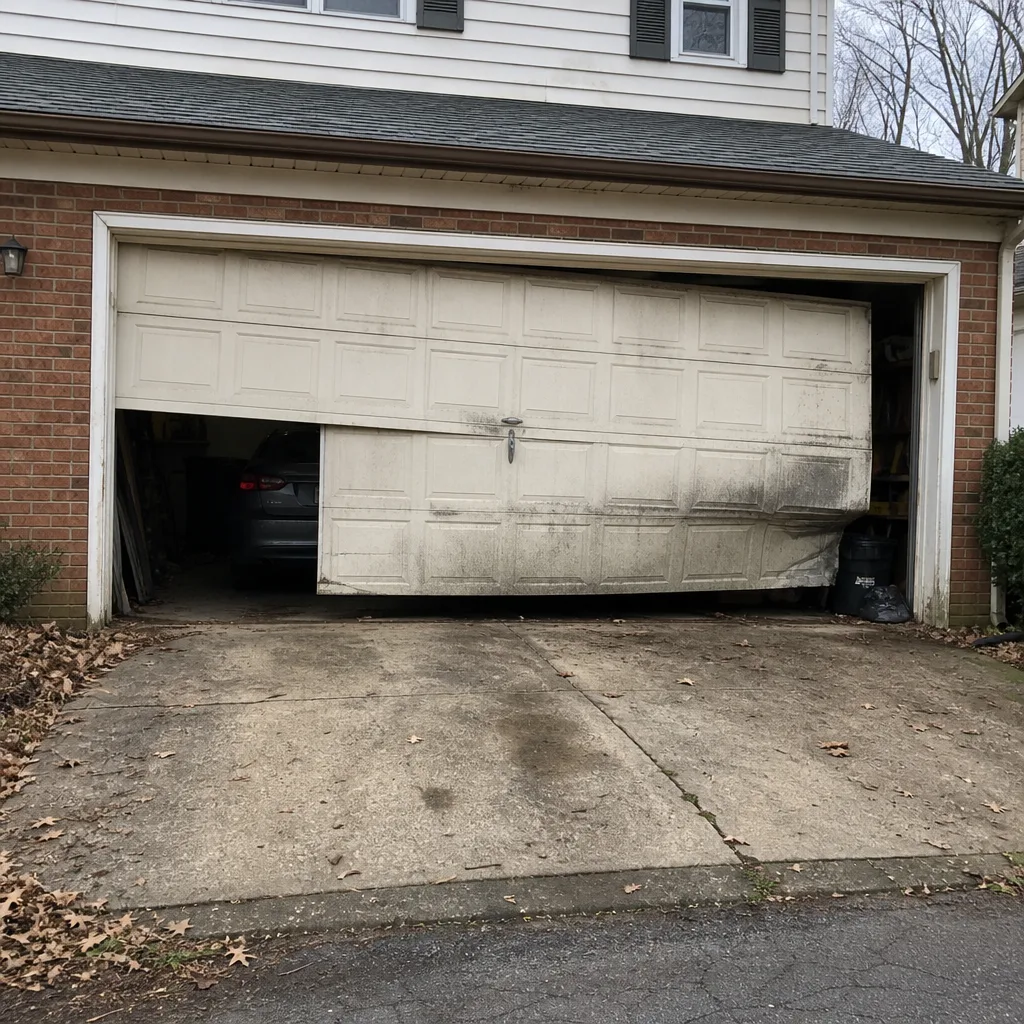 Before
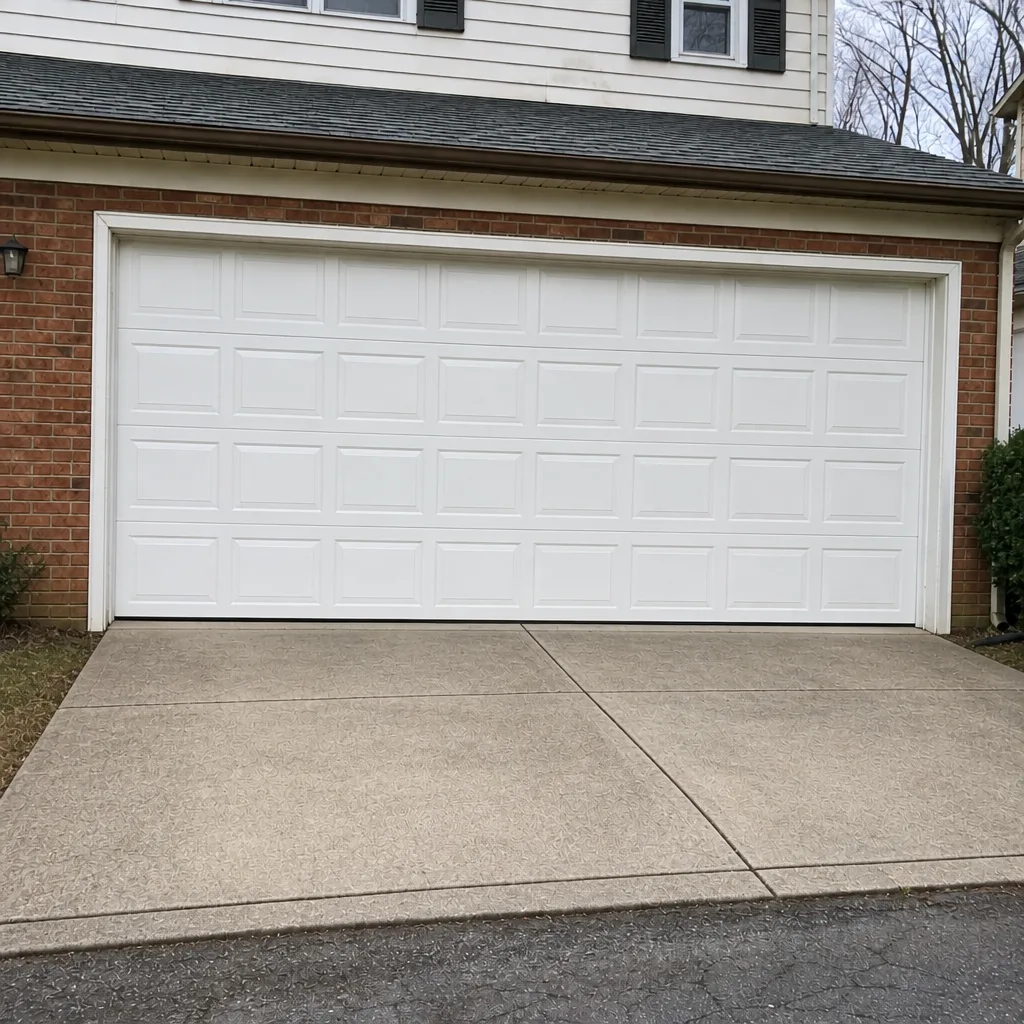 After
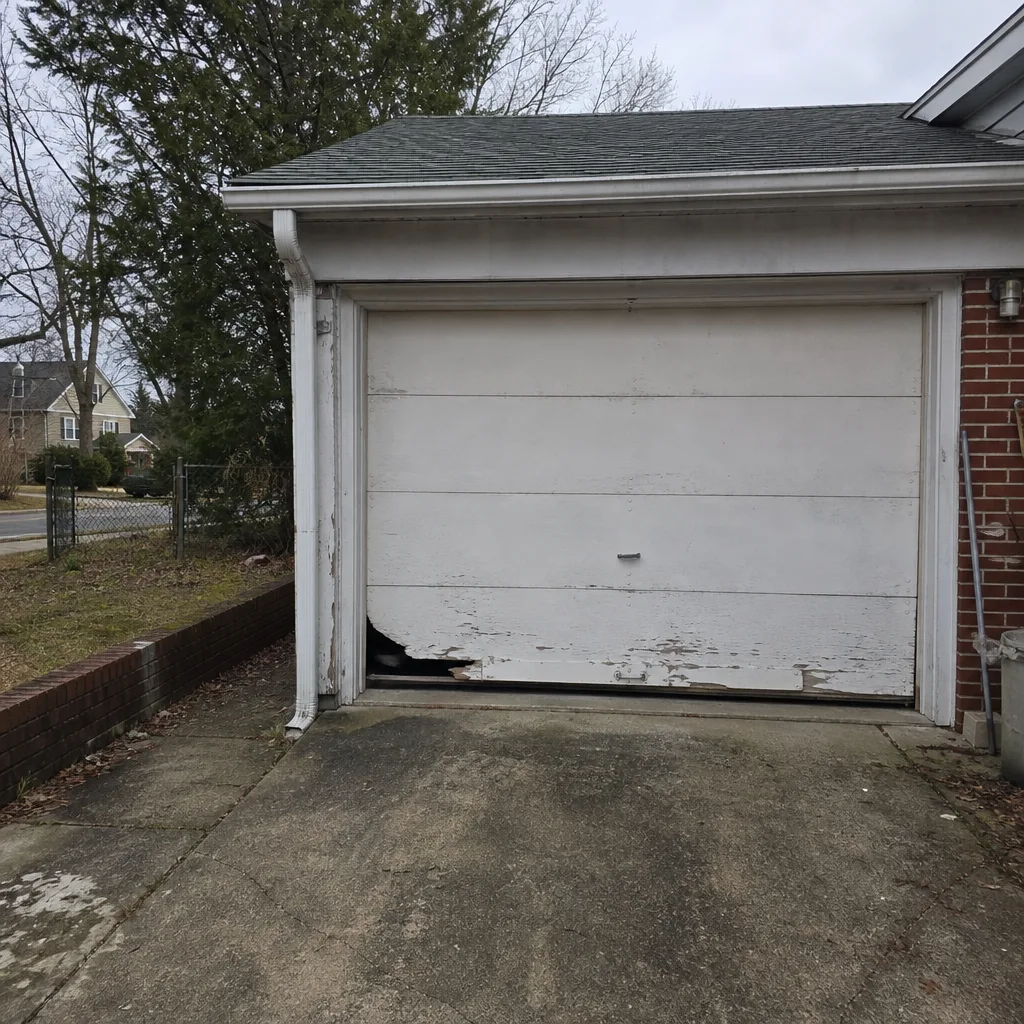 Before
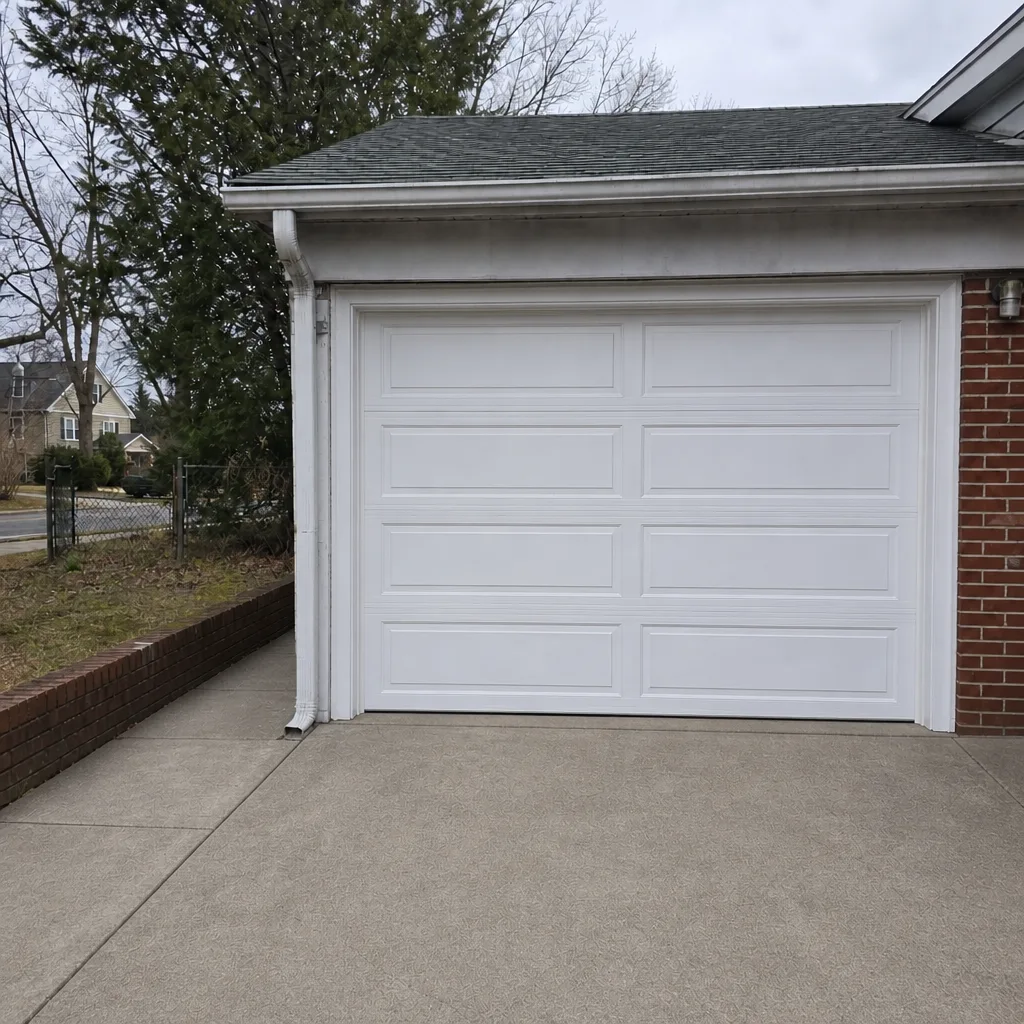 After
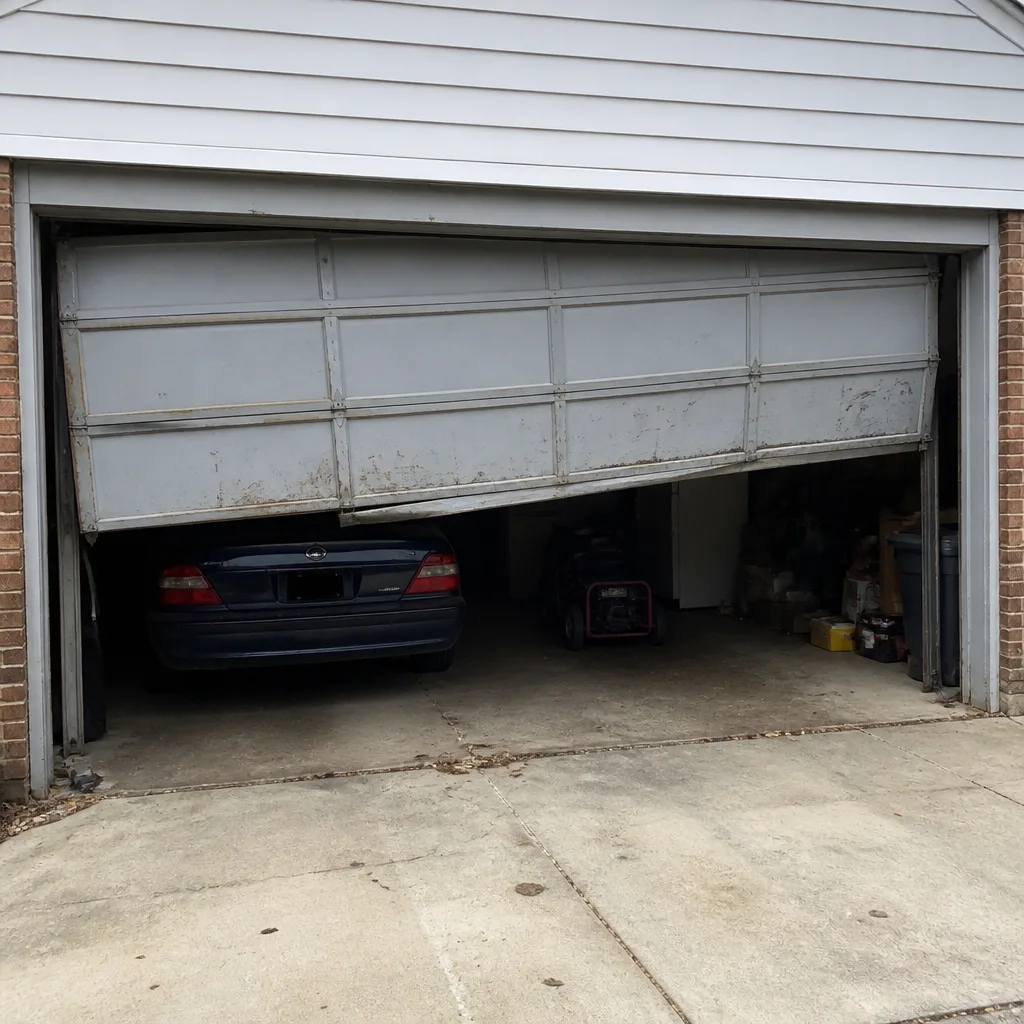 Before
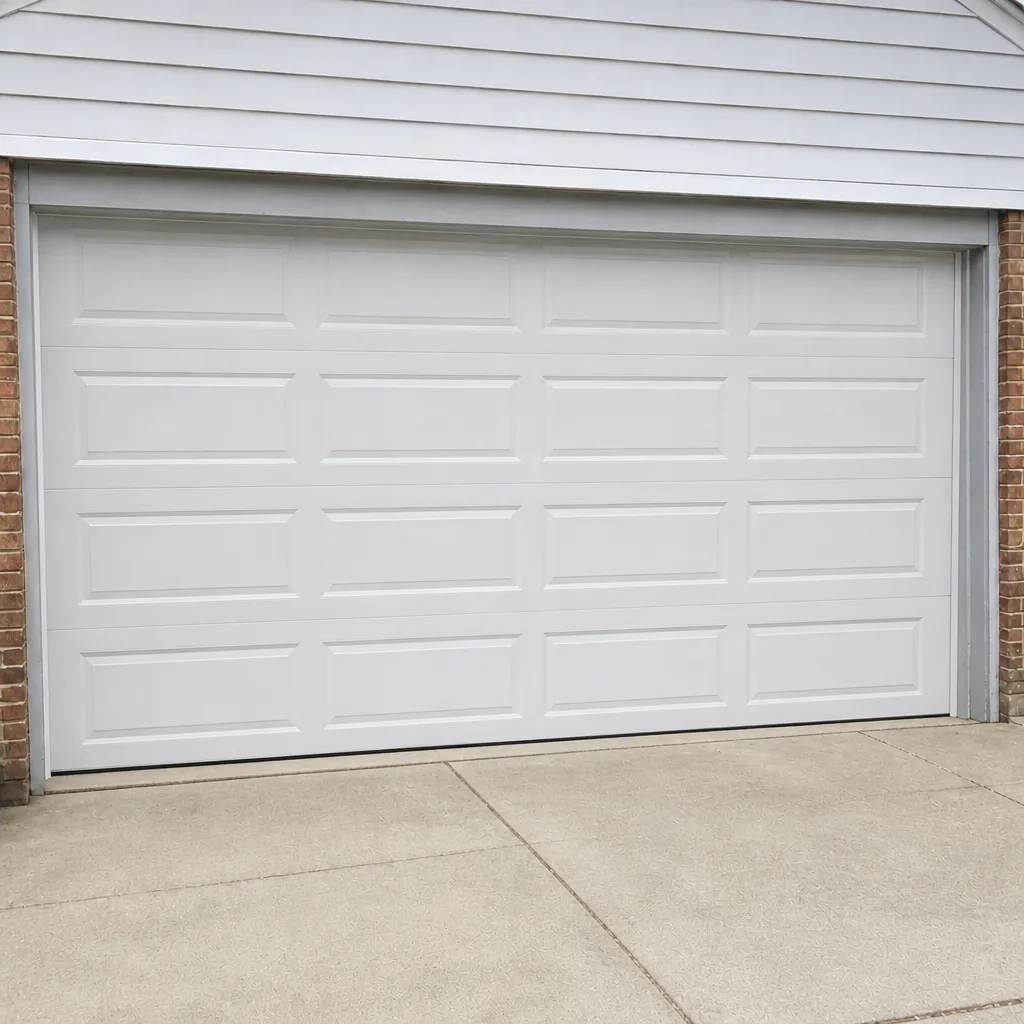 After
Common Mistakes to Avoid
- Spraying lubricant on the tracks. This is the most common mistake we see on Arlington service calls. Oil on a track attracts grit and creates a grinding paste that wears out rollers faster than dry tracks ever would. Keep the tracks clean and dry.
- Adjusting the opener force instead of the door. When a door won’t close, the instinct is to turn up the force. That masks the real problem and creates a safety hazard. If the door won’t close, find out why. Don’t force it.
- Touching springs and cables. Torsion and extension springs store enormous energy. A homeowner who adjusts a spring is taking a serious risk, and the consequences can be severe. Springs, cables, and drums belong to a technician.
- Ignoring a small bottom seal crack. A hairline crack in a bottom seal turns into a gap that lets water in, and water under the door in winter can freeze and lift the seal further. Small seal problems are cheap. Water intrusion damage isn’t.
- Using the wrong lubricant on nylon rollers. Grease on a nylon roller softens the material. Use light oil on nylon, grease on steel. This matters more in Arlington’s humidity, where nylon is already under stress.
- Testing reversal by cranking the force down. Setting the reversal force too low causes nuisance reversals that lead homeowners to turn the force back up. Test with a 2×4 or a paper towel roll and let the door tell you what’s wrong.
- Skipping the fall check. The pre-freeze inspection is the most important one of the year. Arlington’s freeze-thaw swings do more damage in a week than summer heat does in a month. A door that goes into winter out of balance comes out of winter worse.
When to Call a Professional
Some checklist items are homeowner tasks. Others are stop signs. Call a professional if you see frayed cables, a visible gap in a torsion spring, a drum with a visible crack, a door that won’t stay up during the balance test, a door that fails the reversal test after cleaning the sensors, or a track that’s kinked. Those are the failure modes where continuing to run the door turns a repair into a replacement. Call us if you’re not sure which category a symptom falls into. Describing what you’re hearing or feeling is usually enough for us to tell you whether it’s a call-out or a “keep an eye on it.”
Garage Door Repair Arlington Pros offers free estimates in Arlington. Call (855) 340-9110. We answer 24/7. Fast dispatch from 7am to 7pm, Sunday through Friday. The price is quoted and agreed before any work starts, so you know exactly what you’re paying before anyone touches the door. Our garage door repair team handles everything from a single worn hinge to a full door replacement, and the same company covers opener and spring work, so there’s no referral and no second call. If you’re in Ballston, Clarendon, or anywhere else in Arlington and your checklist has an open item, we’re glad to look at it.
One more point on pricing: the written estimate is the price. If a technician finds something that wasn’t visible during the estimate, you’ll hear about it before any additional work starts. That’s how it should work, and it’s how we do it.
Frequently Asked Questions
Run the five-minute walk-around monthly, and do the full checklist twice a year: once before summer heat peaks and once before the first hard freeze. The fall pass is the more important one because freeze-thaw cycles put the most stress on the door, tracks, and seal. If your door is over 10 years old or you’ve noticed a new noise or a change in how it runs, do a full pass sooner. Call (855) 340-9110 for an exact quote if a checklist item fails.
A torsion spring near the end of its life typically makes a high-pitched ping or a sharp pop during the door’s travel, and the door may sound heavier or slower than it used to. Sometimes a failing spring is silent until it breaks, which is why the balance test matters more than the sound. If the door won’t stay up during the balance test, or you see a visible gap in a coil, stop running the door and call. We answer 24/7. Call (855) 340-9110 for an exact quote.
Only when the door is fully closed and at rest, and only with a purpose-made spring lubricant. Never lubricate a torsion spring while the door is open, and never try to adjust tension or remove a spring. Springs store a lot of energy, and a spring that lets go under load can cause serious injury. If you’re not sure the door is at rest, leave it to a technician. Call (855) 340-9110 and we’ll tell you what’s safe to do yourself.
Arlington’s humidity and its freeze-thaw swings both work against the bottom seal. Humidity softens and degrades the rubber, and repeated freezing and thawing at the door’s contact point cracks it. Shaded or north-facing doors stay damp longer. Check the seal every month by running your hand along the underside of the closed door; if it’s stiff, cracked, or leaving gaps, replace it before summer heat or the first freeze. Call (855) 340-9110 for an exact quote on a replacement seal.
Stop using the automatic opener and call a technician. A door that fails the balance test has a spring tension or cable problem, and running the opener on an unbalanced door overloads the motor and stresses the tracks. Don’t try to adjust the spring yourself. That’s the single most dangerous garage door repair there is. Call (855) 340-9110. We answer 24/7. Fast dispatch from 7am to 7pm, Sunday through Friday.
Yes. We work on the major brands, including LiftMaster, Chamberlain, Genie, Clopay, Amarr, Wayne Dalton, Craftsman, and Raynor, regardless of who installed the original door. That’s the advantage of a multi-brand specialist: we know what to look for on your specific system instead of starting from scratch. Our technicians have up to 12 years of experience across those brands. Call (855) 340-9110 for a free estimate. If you’re not sure of the model, the sticker on the opener head or a quick look at the door’s hinges usually identifies it.
The Bottom Line
A maintenance checklist is only as good as its pass/fail line. The tasks in this guide that keep a door healthy are the monthly walk-around, the twice-yearly lubrication with the right products on the right parts, the balance and reversal tests, and the seasonal passes before summer heat and before the first freeze. The items that belong to a technician are springs, cables, drums, and any out-of-balance condition. Arlington’s humidity and freeze-thaw swings make the seal, rollers, and cables the first parts to watch. Do the safe checks yourself, and call us the moment a checklist item stops passing. For more on the full service, see Garage Door Repair Arlington Pros.
Call (855) 340-9110 for a free estimate. We answer 24/7. Fast dispatch from 7am to 7pm, Sunday through Friday. The price is quoted and agreed before any work starts.
Written by the team at Garage Door Repair Arlington Pros.